



Revision Hip Replacement
Revision Hip Replacement is a surgical procedure performed when a patient who has previously undergone hip replacement requires an additional surgery to repair or replace the existing implant.
A previous hip replacement may sometimes require further evaluation and surgical management because of problems affecting the artificial joint or surrounding structures. Revision surgery requires careful assessment and individualized planning based on the patient’s condition.
At Asian Orthopaedic Hospital, patients looking for Revision Hip Replacement in Sabarmati, Ahmedabad receive care that focuses on detailed evaluation, appropriate surgical planning, rehabilitation, and follow-up to support recovery and mobility.

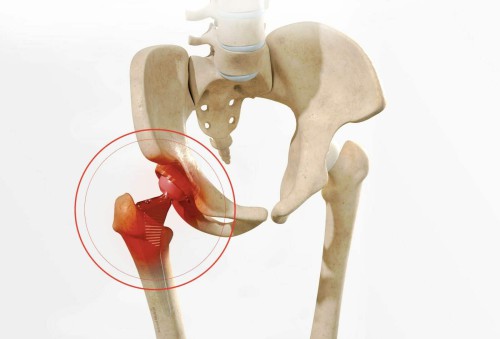
What Is Revision Hip Replacement?
Revision Hip Replacement is performed on patients who have already undergone a hip replacement and subsequently require another surgical procedure involving the replaced hip.
Unlike a primary hip replacement, revision surgery involves assessing an existing artificial joint and determining what further treatment is required.
When May Revision Surgery Be Considered?
A patient may require further assessment when there are problems involving a previously replaced hip or when symptoms develop after the original procedure.
Common concerns that may require evaluation include:
A detailed orthopaedic evaluation is important to determine the cause of symptoms and whether revision surgery is appropriate.
Careful Planning for a Previous Hip Replacement
Revision surgery requires assessment of the existing hip replacement and the surrounding bone and soft tissues. The surgical approach depends on the patient’s individual condition and the reason additional surgery is required.
Detailed Evaluation
The patient’s symptoms, previous hip replacement, mobility, medical history, and current condition are assessed to identify the underlying problem.
Assessment of the Existing Implant
The existing artificial hip joint is evaluated to understand its condition and determine the extent of treatment required.
Personalized Surgical Planning
A revision procedure is planned according to the patient’s specific condition, previous surgery, implant status, and individual treatment requirements.
Revision Procedure
During revision surgery, the surgeon addresses the identified problem involving the previous hip replacement and performs the required surgical correction or replacement.
Your Journey After Revision Hip Replacement
Recovery following revision hip replacement can vary considerably depending on the complexity of the procedure, the patient’s overall condition, and the extent of treatment required.
FAQs
Get in Touch